Elevating the Heritage Listing Experience
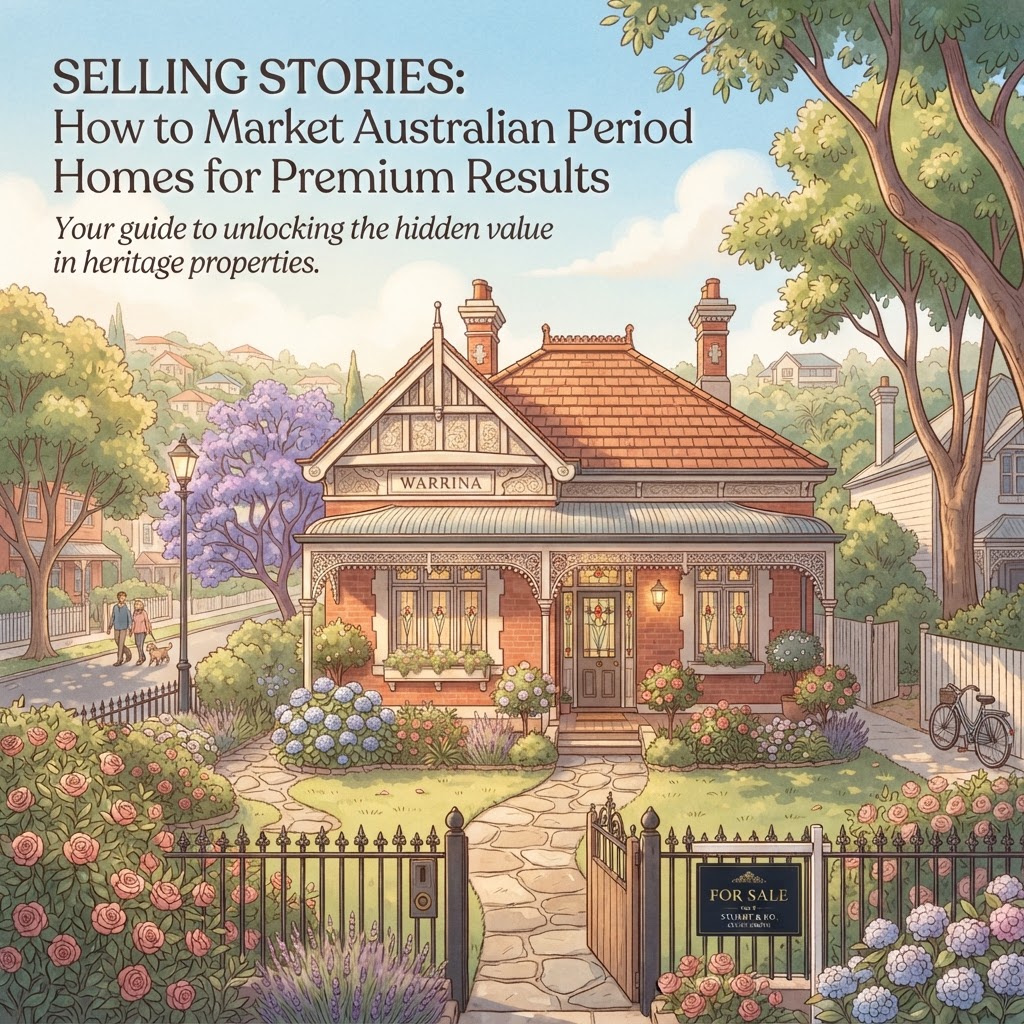
In the competitive landscape of Australian real estate, listing a period property—whether it is a Victorian terrace in Paddington, a Federation cottage in Ballarat, or a mid-century gem in the Blue Mountains—requires more than just high-quality photography and a standard floorplan. Buyers looking for character homes are not just purchasing square metres; they are purchasing a piece of Australian history. To secure premium results, agents must act as custodians of these stories, and in the digital age, this is where AI-driven platforms like HomeHeritage are changing the game.
The Psychology of the Character Buyer
When a buyer walks into a home with original cornices, leadlight windows, or hand-hewn floorboards, they are looking for a connection. This is often referred to as the 'emotional premium.' Buyers are willing to pay significantly more for a home that feels like a home, rather than a commodity.
Why Facts Are Not Enough
While specifications like 'three bedrooms, two bathrooms' are essential for data-driven search filters, they do little to capture the heart. To sell a heritage home, you need to transition from 'feature-led' marketing to 'narrative-led' marketing. Ask yourself:
- What were the original materials used, and where did they come from?
- Who built this house, and what was the local context at the time?
- How has the home evolved over the last century?
How AI Unlocks the Hidden Narrative
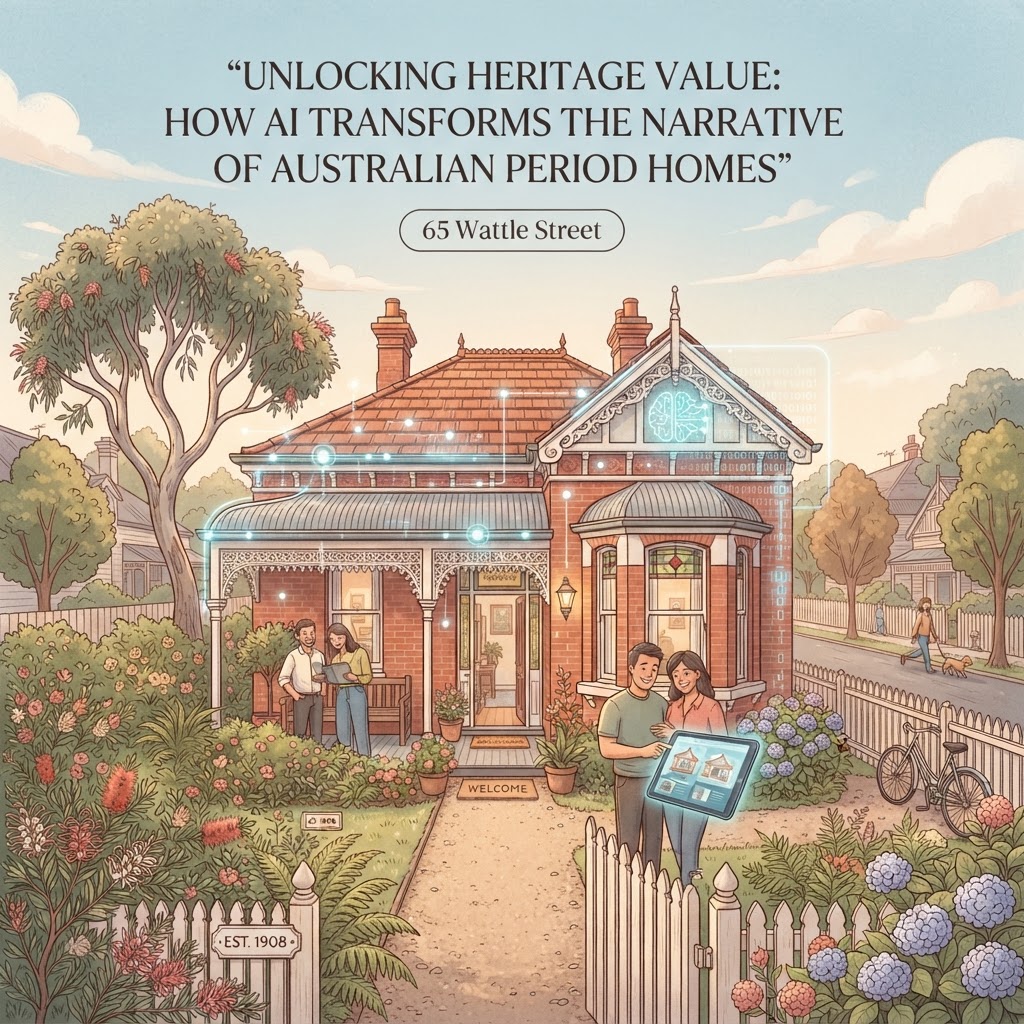
Manually researching the history of every property can be a time-consuming endeavour that eats into an agent's precious prospecting hours. HomeHeritage streamlines this process by using AI to cross-reference historical data, architectural styles, and local archives to generate a comprehensive 'narrative report' for your listing.
Practical Benefits for the Busy Agent
- Speed to Market: Generate descriptive copy that highlights the authentic heritage details of a property in minutes rather than hours.
- Authenticity: AI tools allow you to identify specific architectural markers—like whether a veranda is Arts and Crafts or Gothic Revival—ensuring your marketing copy is historically accurate and authoritative.
- Consistency: Maintain a premium tone across all your listings, ensuring your personal brand remains synonymous with expertise in the heritage sector.
Transforming Listings into Immersive Experiences
Once you have the story, how do you present it? Digital storytelling is no longer just a trend; it is a necessity. Potential buyers are scrolling through portals like realestate.com.au on their mobiles, and they need to be gripped instantly.
Building the Digital Story
- The Hook: Start with a headline that speaks to the era of the home. Instead of 'Classic Terrace for Sale', try 'A Federation Masterpiece Preserved for Modern Living.'
- The Layered Approach: Use your digital listing as a museum-like experience. Use HomeHeritage to build interactive sections that walk the buyer through the history of the house, from the original construction to the thoughtful renovations of today.
- Visual Cues: Pair your narrative with close-up shots of period details—a restored fireplace, a brass door handle, or a heritage-listed fence.
Winning the Listing: A Strategic Advantage
When pitching to vendors of heritage homes, the competition is fierce. Sellers of character properties are often emotionally attached to their homes; they want to know that the agent they choose will 'get it.'
The Pitch
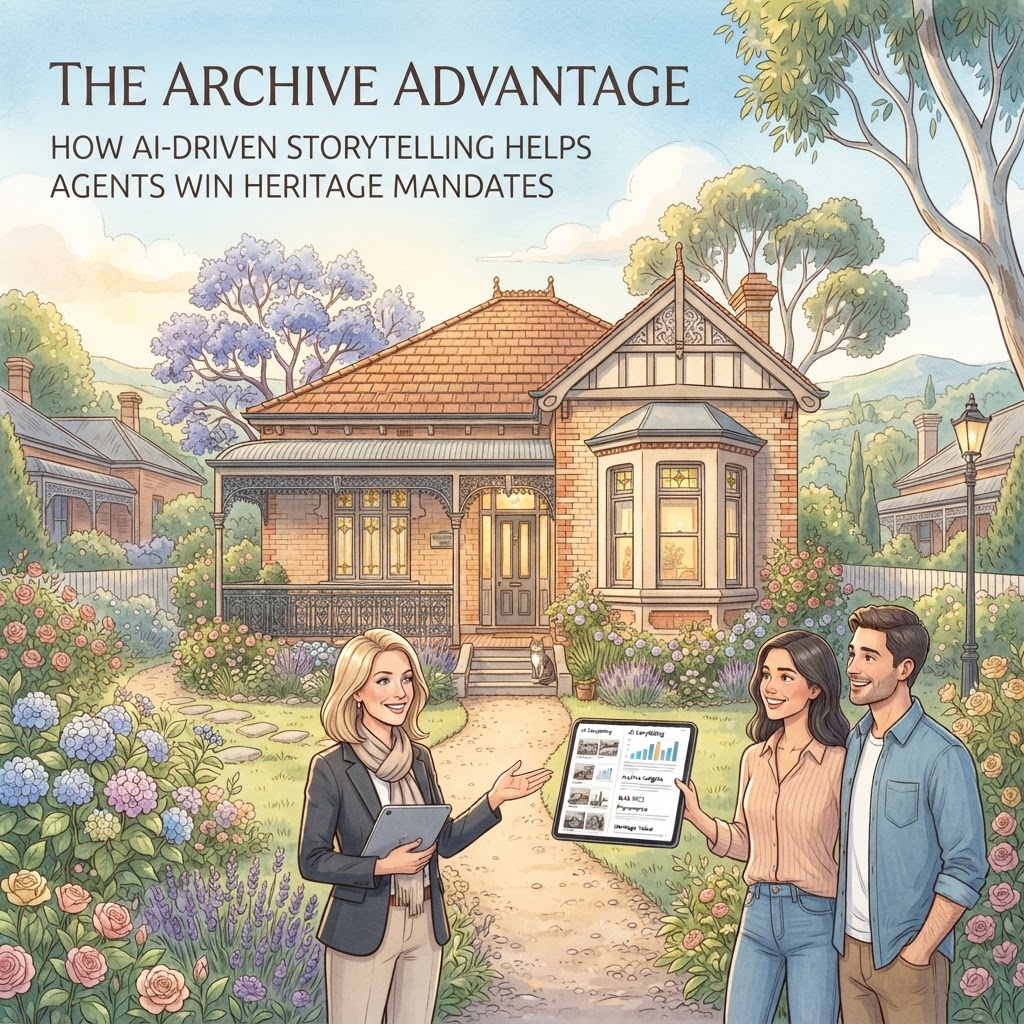
By incorporating AI-enhanced storytelling into your appraisal presentation, you demonstrate a level of effort and sophistication that standard agents lack. Show the vendor how you plan to use HomeHeritage to create a digital legacy for their home. Explain that by positioning their property as a 'heritage treasure' rather than just a 'house on a block,' you are targeting a specific buyer demographic that values provenance and architectural history, which ultimately helps justify a higher price.
Summary of Best Practices
To ensure your heritage property sales remain profitable and professional, adhere to the following checklist:
- Verify Your Facts: Always double-check AI-generated historical claims against local council records or heritage databases.
- Focus on Restoration: If the home has been renovated, highlight how the current owners have balanced modern luxury with heritage integrity.
- Use Story-Led Captions: Every image in your listing carousel should have a caption that tells a story, not just a label (e.g., 'Restored tessellated tiles from 1905' vs 'Tiled entryway').
- Leverage Technology: Utilize HomeHeritage to automate the heavy lifting of narrative building so you can focus on the human side of the sale—negotiating and closing.
Conclusion
Selling Australian heritage homes is an art form. It requires the right balance of respect for the past and vision for the future. By embracing AI tools to uncover the stories embedded in our period architecture, you aren't just selling real estate—you are curating a legacy. Start treating every listing as a unique chapter in Australian history, and you will find your reputation, and your commissions, growing accordingly.