The Art of Selling History
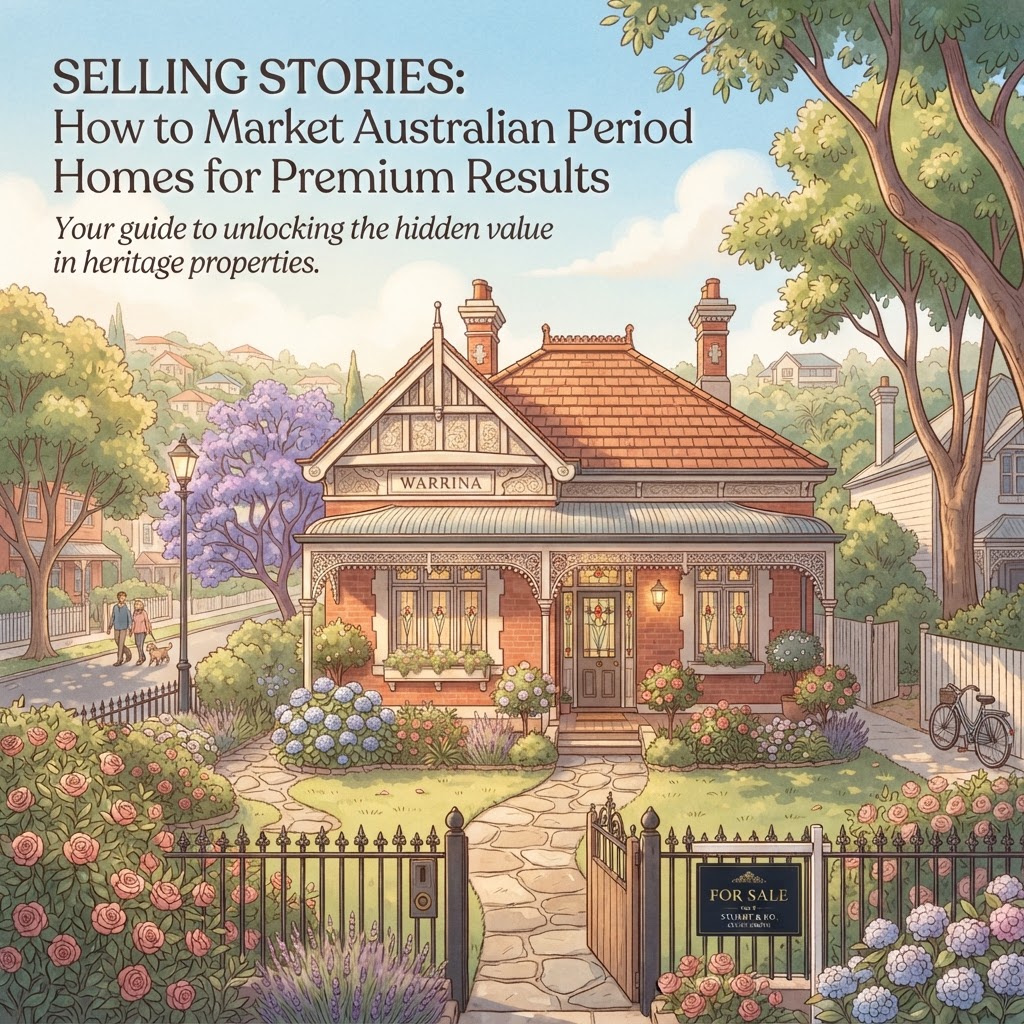
In the competitive landscape of the Australian property market, heritage and period homes stand in a league of their own. For the discerning buyer, a home is more than just a collection of rooms and a land parcel; it is a repository of stories, a piece of local history, and a legacy. As real estate agents, your role transcends the typical transactional model—you are the custodians of these narratives. When you list a Victorian terrace in Paddington, a Federation bungalow in Hawthorn, or a Queenslander in West End, you aren't just selling timber and brick; you are selling the passage of time.
Why Narrative Matters More Than Ever
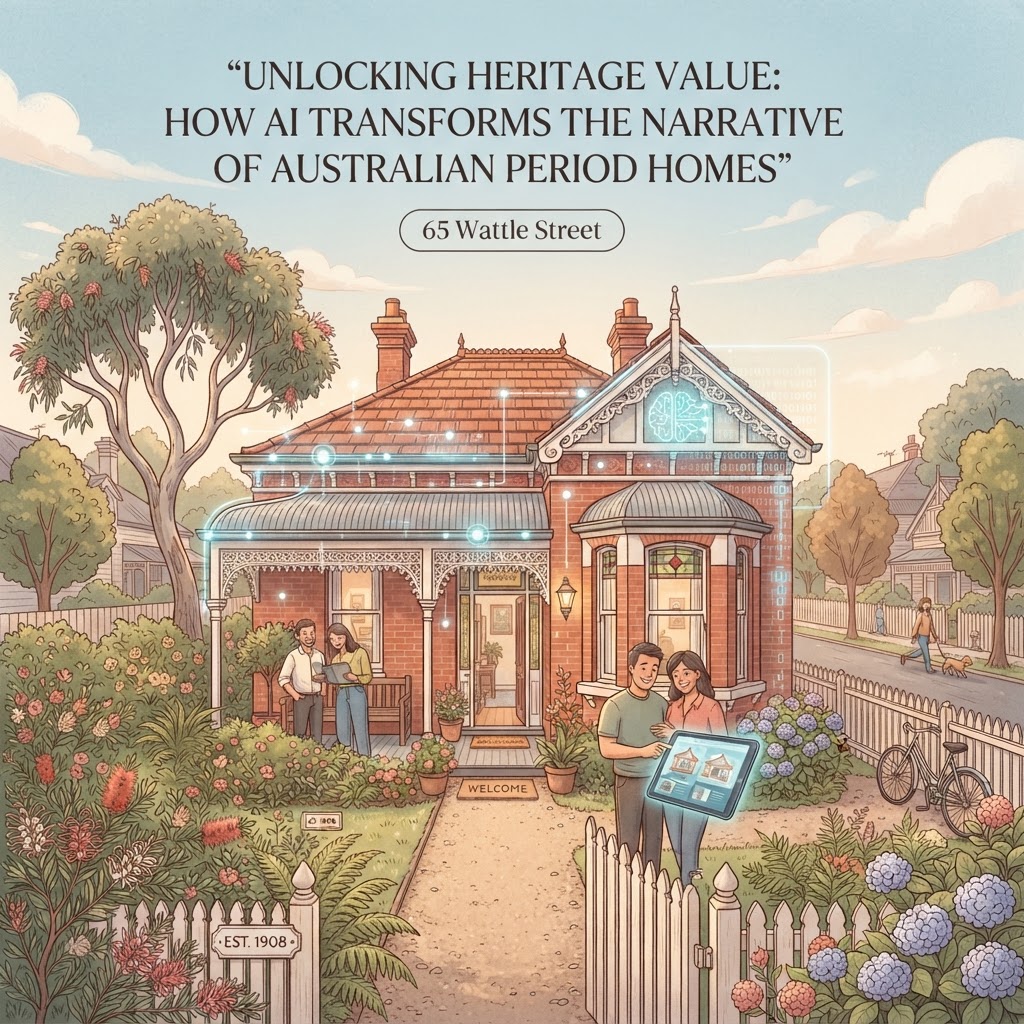
In an age dominated by digital browsing, buyers often scroll through hundreds of listings in a single afternoon. If your property description reads like a stock-standard checklist of "three bedrooms, two bathrooms, and a modern kitchen," you have already lost the emotional connection. Heritage homes require a specific "narrative intelligence." Buyers seeking character properties are looking for a sense of belonging and a connection to the past. By weaving the architectural history of the home into your sales collateral, you transform a commodity into an heirloom. This is where HomeHeritage provides a strategic advantage, helping agents automatically generate compelling, research-backed stories that resonate with the emotional desires of high-net-worth buyers.
Practical Steps to Uncover the Architectural Soul
To effectively sell a heritage property, you must become part historian and part marketer. Here is a guide to uncovering the stories that drive premium offers:
1. Research the Provenance
Don't rely solely on what the vendor tells you. Use digital archives like the National Library of Australia’s Trove to look up original newspaper clippings or historic photos of the street. Mentioning the original architect, the builder, or even previous families who shaped the local community adds layers of prestige to the property.
2. Focus on Craftsmanship
Highlight the details that modern construction simply cannot replicate. Is it the original tuck-pointed brickwork? The hand-carved cedar joinery? The pressed metal ceilings in the parlour? Use vivid, sensory language to describe these features. Instead of saying "original windows," try "original hand-blown glass sash windows that cast a soft, historic light throughout the drawing-room."
3. Use HomeHeritage to Scale Your Narrative
We understand that you are time-poor. Manually researching and writing a bespoke 2,000-word history for every listing is unfeasible. HomeHeritage bridges this gap by acting as your dedicated narrative assistant. It synthesises architectural data and historical context into sophisticated copy that frames the property as a rare collector's item, saving you hours of drafting time while ensuring your brand remains positioned at the premium end of the market.
The Psychology of Heritage Buyers
Buyers of period homes are often driven by "legacy value." They aren't just thinking about their next five years; they are thinking about the property's longevity and its value to future generations. Your marketing strategy should appeal to this preservationist mindset. Frame the property as an asset that gains character over time, unlike contemporary builds that lose their novelty the moment the next development goes up next door.
Tips for the Agent's Toolkit:
- Frame the 'Modern-Heritage' balance: Clearly articulate how modern renovations complement the original period architecture without compromising the home’s soul.
- Local Context: Connect the house to the history of the suburb. If the home stood during a specific era of local economic growth, mention it.
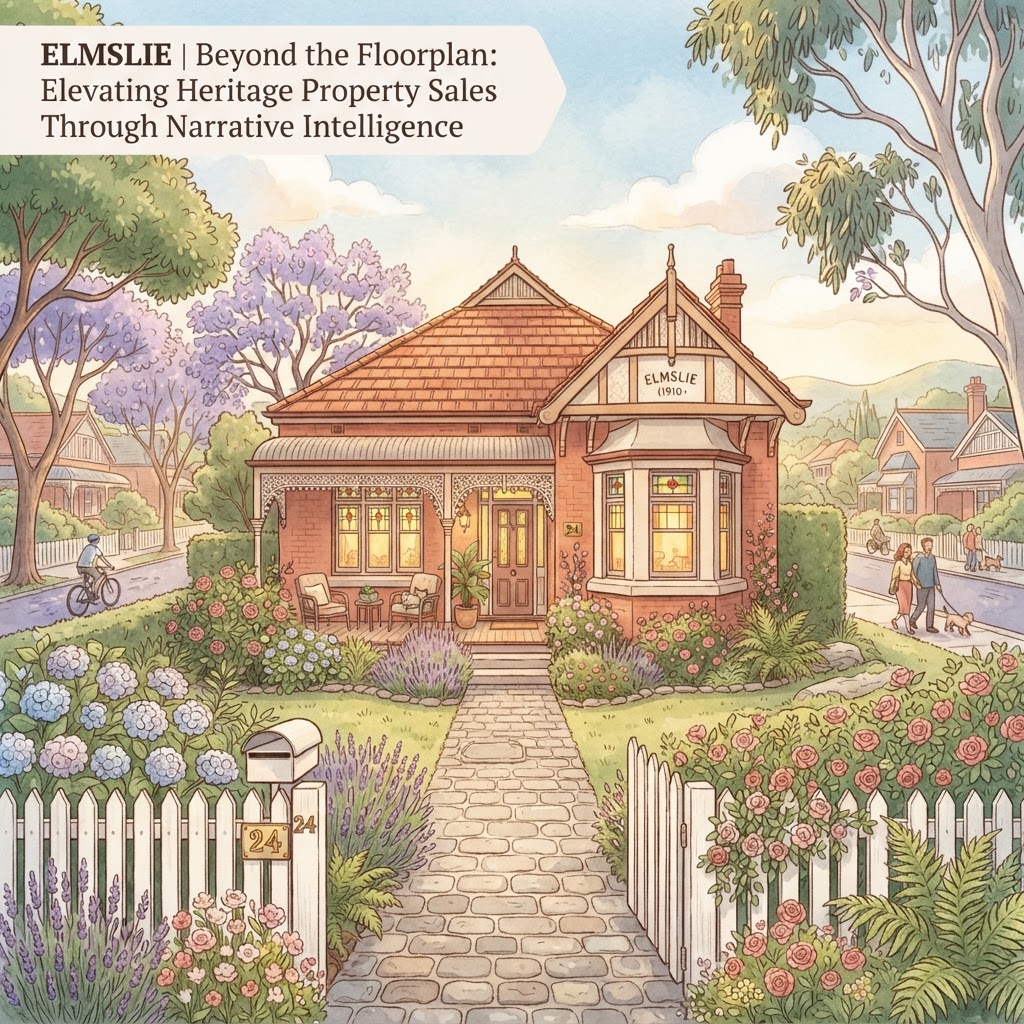
- Visual Storytelling: Ensure that your photography captures 'vignettes'—a cup of tea on a marble mantle, the texture of aged timber floors—rather than just wide-angle room shots.
Conclusion: The Premium of Personality
Ultimately, a heritage property with a well-told story will always outperform a generic listing in the same street. By combining the efficiency of AI-powered tools like HomeHeritage with your own local expertise, you provide a level of service that justifies higher commissions and attracts serious, emotionally invested buyers. Treat every heritage home as a narrative piece, and you will find that the highest price is often paid by the buyer who falls in love with the story you’ve told.