The Emotional Currency of Heritage Properties
For Australian real estate agents, listing a heritage-listed home or a character-filled period property is not merely an exercise in documenting floor plans and square footage. It is an opportunity to act as the custodian of a story. Buyers today are not just looking for a roof over their heads; they are seeking a connection to something enduring. In a market often saturated with minimalist modern builds, a Victorian terrace, a federation bungalow, or an interwar masterpiece offers a unique emotional currency. The challenge for the modern agent is articulating that history in a way that feels accessible, relevant, and premium. When you sell a period home, you are selling the craftsmanship of a bygone era, the resilience of the building's survival, and the potential for a new chapter.
The Role of Narrative in Premium Pricing
Buyers often struggle to justify the price premium of heritage homes simply based on building utility. However, when you pivot your marketing towards narrative-led storytelling, the property transcends its physical boundaries. The secret lies in researching the provenance. Did a prominent local family reside here in the 1920s? Was the home a hub for local artisan activity? By weaving these historical threads into your property brochure and online listing, you create a sense of exclusivity that transcends mere metrics.
Leveraging Technology to Curate History
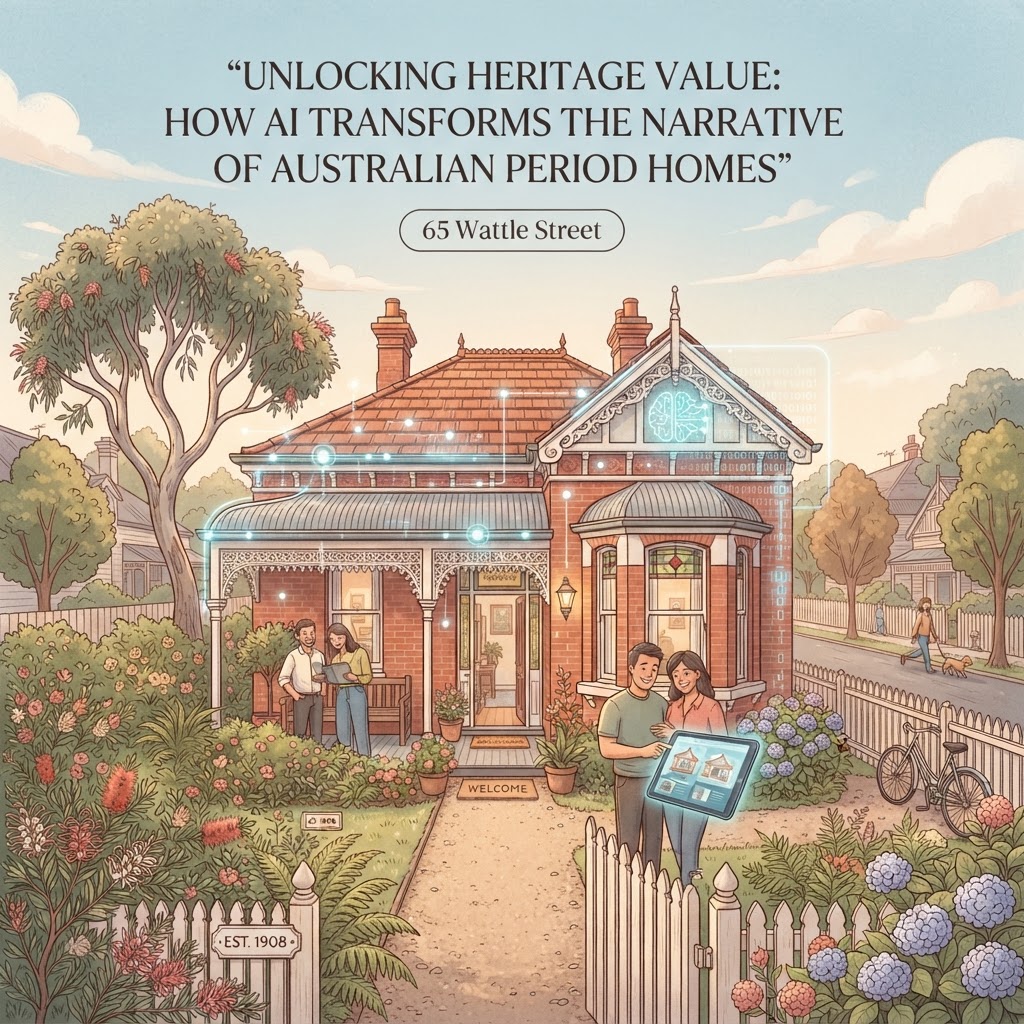
Traditionally, agents spent hours scouring local libraries, historical societies, and digitised newspaper archives to piece together a property's story. While valuable, this is often time-prohibitive. This is where modern AI tools become indispensable. Platforms like HomeHeritage allow agents to input basic property data and receive AI-generated, high-quality, narrative-driven copy that highlights the architectural significance and historical charm of the home. By using HomeHeritage, you can generate evocative descriptions that capture the soul of the house, allowing you to focus your time on the high-touch human elements of the sales process, such as vendor meetings and buyer negotiations.
Practical Steps to Elevate Your Heritage Listing
To effectively market heritage properties, you must blend historical integrity with digital innovation. Here is a practical approach:
- Unearth the Provenance: Spend time investigating the original architect or builder. Mentioning a specific architectural style—whether it is Queen Anne, Arts and Crafts, or Mid-Century Modern—builds instant authority.
- Visual Storytelling: Ensure your photography team understands the nuance of period lighting. Use high-resolution shots to highlight original cornices, stained glass, and ceiling roses, rather than just showing the size of the room.
- Use AI for Consistency: Consistency in tone is vital when marketing heritage homes. HomeHeritage helps maintain a sophisticated, respectful, and story-driven tone across your property portals, ensuring your brand is synonymous with quality period sales.
- Highlight Adaptability: Modern buyers love heritage character but demand modern comfort. Ensure your copy highlights how the home has been thoughtfully updated to include modern heating, plumbing, and energy-efficient systems without compromising the structural history.
Balancing Heritage Preservation and Modern Expectations
One of the biggest hurdles in selling a period property is the fear buyers have regarding maintenance and heritage restrictions. You, as the agent, have the power to mitigate these concerns through education. Use your marketing materials to explain the benefits of heritage status, such as potential tax incentives or local council grants that support restoration. When you frame the responsibility of owning a heritage home as 'being part of a select group of stewards,' the psychological shift is significant.
By partnering with platforms like HomeHeritage, you can create 'story-led' brochures that don't just list features, but explain the enduring value of the architectural materials used, such as native Australian timbers or hand-pressed bricks. This helps potential buyers see the maintenance requirements as a labour of love rather than a burden.
Creating a Digital Legacy for Your Property
In the digital age, a listing is only as good as its discoverability and engagement. Your content strategy should include:
- Engaging Video Content: A 60-second video tour focusing on the 'hidden details'—the history of the fireplace or the story behind the garden landscaping.
- Historical Comparison: Include a 'Then and Now' slide in your listing presentation to show how the home has evolved while maintaining its core heritage character.
- Professional Copywriting: Relying on basic AI tools can sometimes lead to generic outcomes. Using a specialised tool like HomeHeritage ensures that the output is tailored specifically to the nuances of the Australian market, ensuring terms like 'weatherboard cottage' or 'Federation detailing' are used with correct context and appreciation.
Conclusion: Your Role as a Custodian
Selling a heritage property is an art form. It requires the agent to be part historian, part architect, and part marketer. As you continue to build your reputation in the period property sector, remember that your ultimate goal is to connect the right buyer with the right history. By leveraging AI to handle the heavy lifting of narrative creation, you allow your own expertise to shine, providing the emotional connection that bridges the past and the present. Embrace the history of the properties you represent, and you will find that these homes sell not just because of their structures, but because of the stories they contain.